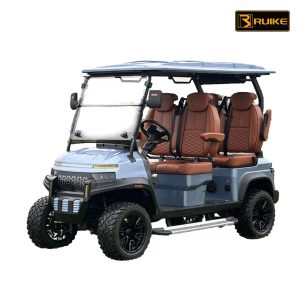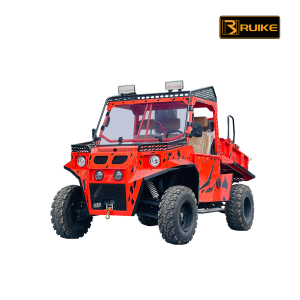
If you are buying a low speed vehicle, start with the paperwork before you choose the color, seat layout, or accessories. Many buyers study the cart first and ask about road use later. That order creates problems. A short LSV registration checklist helps you confirm whether the vehicle fits the route, the local rules, and the documents you need.
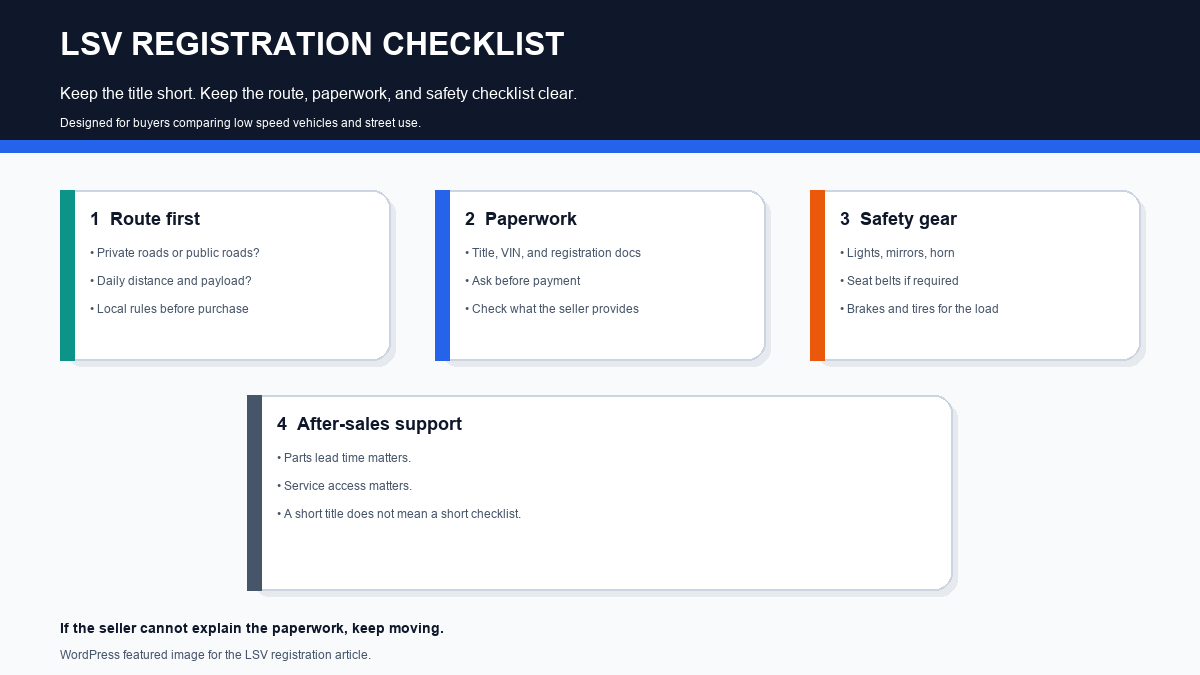
Use the route as your starting point. A vehicle that stays inside a resort has different needs from one that crosses public roads. Street use can add registration steps, lights, mirrors, seat belts, and title requirements. Ask the seller to explain those points in plain language before you place an order.
What counts as an LSV?
LSV stands for low speed vehicle. In practical buying terms, it means a vehicle built for limited-speed road use, not just a golf cart with a new badge on the hood. Local rules can vary, but the main idea stays simple: the vehicle class decides the documents and safety equipment you need.
For a plain-English definition, read our low speed vehicle definition article. It explains what qualifies, what does not, and why the difference matters once a cart leaves private ground.
The route decides the rules
Map the route before you compare range or battery size. Will the vehicle stay inside a campus, gated property, or resort? Could it cross public roads? Does your target city require registration, lights, mirrors, or seat belts? These questions may sound boring, but they help you avoid the wrong vehicle.
One low speed vehicle may work well for a hotel shuttle loop and fail the needs of a neighborhood route. That difference is normal. Treat the route as the main buying decision, not a small detail at the end.
What to check before registration
Registration often causes delays when buyers leave documents until the last minute. Ask for the title, VIN, invoice, and seller documents before the vehicle ships. Confirm the safety items too. Your checklist should include lights, mirrors, horn, windshield, reflectors, and seat belts when local rules require them.
Our street legal electric golf cart buying guide covers the road-use side in more detail. This article gives you the LSV side of the same problem: classification, paperwork, and delivery readiness.
Also check whether the seller offers registration support. A good supplier can explain title handling, local paperwork steps, and common buyer mistakes without hesitation.
Battery and range still matter
Paperwork gets the vehicle approved, but the battery still has to handle the daily job. Real-world range changes with route length, passenger load, slopes, temperature, and stop-start driving. A brochure number does not always match a full workday.
If you plan repeated daily use, build in extra range. A battery pack that runs near its limit every day can age faster and feel weaker over time. Many buyers choose electric low speed vehicles with efficient battery setups for that reason.
For the battery trade-off side, see our lithium vs lead-acid golf cart comparison. It helps when you compare lower upfront cost with lower maintenance over time.
Short buyer checklist
- Is the route private, mixed, or public road use?
- Do you have the title, VIN, invoice, and registration paperwork?
- Do the safety items match the local rule set?
- Can the battery handle the real daily route with margin?
- Can the seller explain local LSV rules clearly?
- Will parts and service support continue after delivery?
For the federal baseline, check NHTSA’s FMVSS 500 rule before you compare local rules or seller claims. The official rule text is here: Federal Motor Vehicle Safety Standards; Low Speed Vehicles.
Bottom line
Do not rush an LSV purchase. Get the route, paperwork, and safety package clear first. After that, battery choice, seating, accessories, and delivery details become much easier to judge.
If you want help matching an LSV to a real route, send the distance, terrain, passenger load, and use case. We can narrow the options quickly.