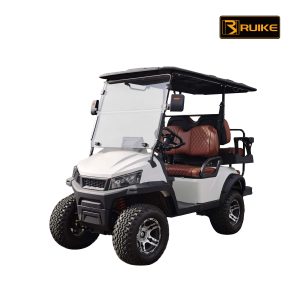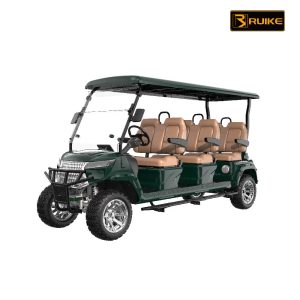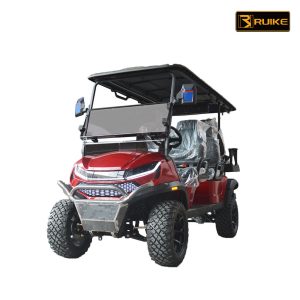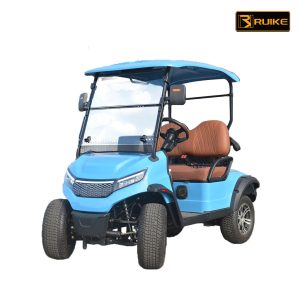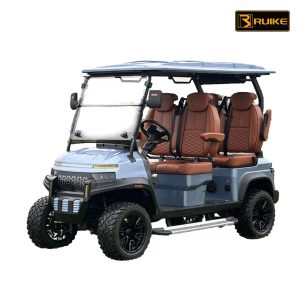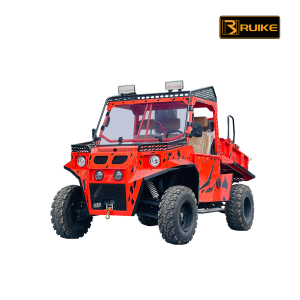

If you are comparing 4 seater vs 6 seater golf cart: which fits your route, the real question is not whether it sounds good in a brochure. The real question is whether it fits the route, the daily load, and the rules that apply once the vehicle leaves a showroom.
That is where most buyers get tripped up. They start with color, trim, or a headline spec and only later ask about charging, range, compliance, maintenance, or who will support the vehicle after delivery. By then, the choice is already moving in the wrong direction.
Related reading: golf cart maintenance guide.
Related reading: 4-seater vs 6-seater comparison.
Seat Count vs Route Length
The first thing to check is the real operating context. How far does the vehicle need to go? How many people or how much cargo will it carry? Is it staying on private property, or does it need to cross roads, deal with local compliance, or handle a heavier daily cycle than the brochure suggests?
Once that is clear, the rest gets easier. A good spec is not the one with the flashiest copy. It is the one that still makes sense when you look at the route, the maintenance plan, and the next 12 months of use.
Passenger Comfort and Capacity
Watch for the usual traps: overpaying for features you will not use, underbuying on battery or motor capacity, or assuming the local rules are the same everywhere. That is how people end up with a vehicle that looks right but works poorly in daily use.
- Check route length and terrain first
- Check compliance before you pay
- Check battery, charging, or fuel cost over the full day
- Check parts and service availability
- Check total cost, not only the sticker price
Picking the Right Layout
For RuiKe buyers, the smart move is to start with the job, not the model name. Tell us the route, the passenger count, the terrain, and whether the vehicle needs to be street legal. We can then narrow the options without wasting time on the wrong category.
That is the whole point of this schedule: each article should pull one clear keyword root forward and help the next page do the same.
Frequently Asked Questions
Does a rear seat affect handling or range?
Slightly. The added weight may cut range by 5-10%. The cart sits a bit heavier in the rear, so brake checks matter more on fully loaded 6-seater models.
How many people can a standard golf cart carry?
Standard models carry 4. 6-seater and 8-seater models are available for larger groups, shuttle routes, and resort guest transport.
Can I add seats to a 2-seater cart?
Some models accept rear seat kits, but the frame, motor, and battery must be rated for the extra load. Check with the manufacturer before ordering a kit.
What seat layout works best for shuttle service?
Forward-facing is usually preferred for passenger comfort. Side-facing saves length and works for short shuttle routes on flat ground.