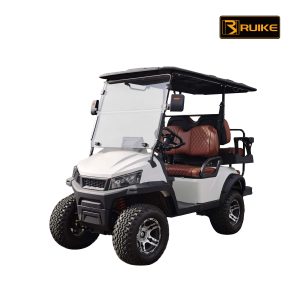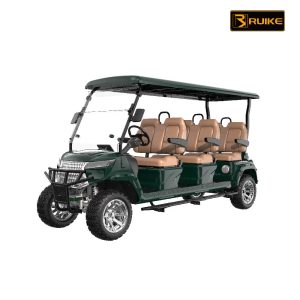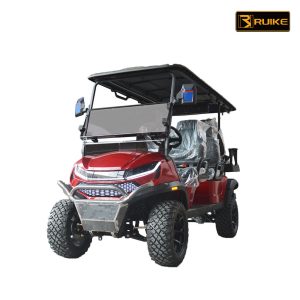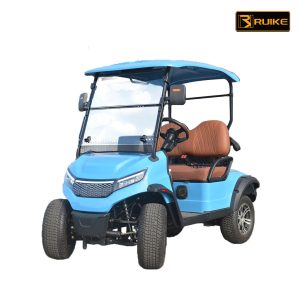
If you are shopping for a street legal electric golf cart, the brochure is the easy part. The harder part is knowing what the cart can do once it leaves a smooth showroom floor and starts living in the real world: rough pavement, short road crossings, hills, stop-and-go traffic, and local rules that change from one town to the next.
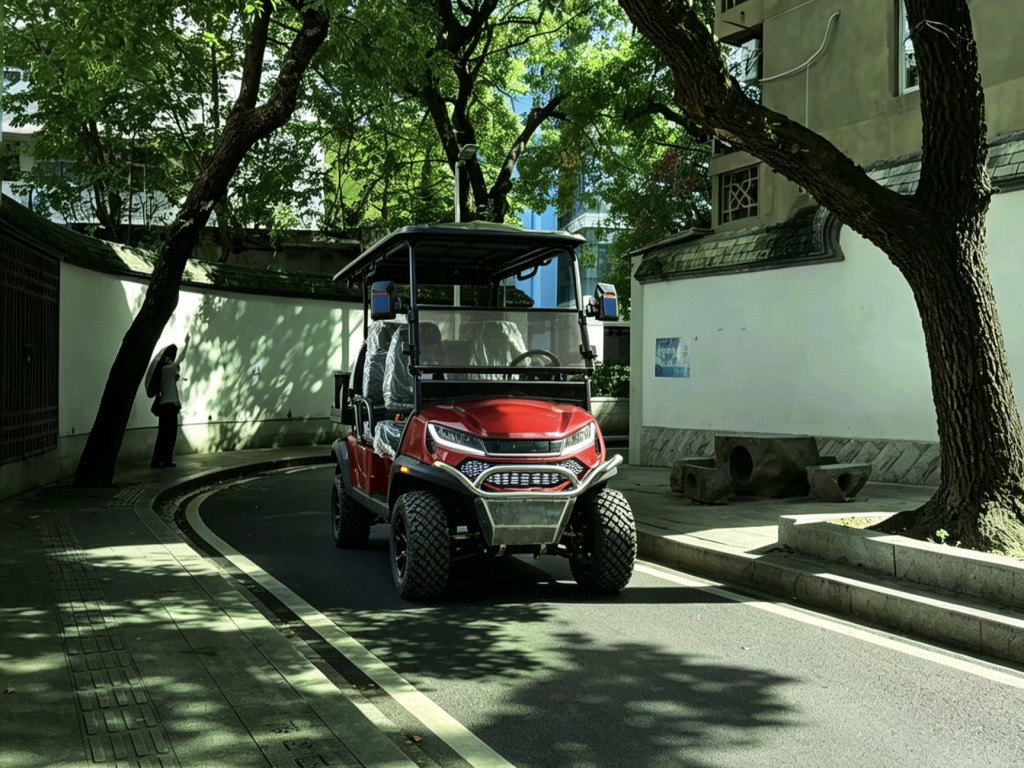
That is why the best buyers do not start with color or trim. They start with the route. A cart that feels great inside a resort can be the wrong choice the moment it has to cross a public street, handle a longer daily loop, or carry a full load of passengers and gear. If you get that part right first, the rest gets easier.
Start with where the cart will actually run
Before you compare battery packs or seat layouts, map out the actual use case. Will the cart stay on private property only? Will it cross a public road? Is it for a resort, a campus, a neighborhood, or a small delivery route? That matters because local rules can change the required speed, lighting, mirrors, seat belts, and even registration steps.
If your route includes public roads, ask for the compliance documents early. Do not wait until after payment. You want to know whether the cart is sold as a low speed vehicle, a street legal golf cart, or a custom cart that still needs local registration. That answer should be written down, not guessed at.
Do not treat range like a brochure number
Range is where a lot of buyers get burned. A cart can look strong on paper and still fall short once you add hills, frequent starts, cold weather, a full cabin, or night driving with lights on. Ask for real-world range, not just a clean lab number.
Battery choice matters here too. If you are still comparing battery options, our lithium vs lead-acid golf cart comparison is the better place to start than a random spec sheet. Lithium usually gives you better usable range and less maintenance, while lead-acid can still make sense in some budget-driven cases. The right answer depends on how the cart will be used, not just what sounds advanced.
A simple rule helps here: look at the full day, not one trip. If the cart has to make repeated runs, pick a battery setup with enough margin. When the pack is working at the edge all the time, the whole vehicle feels tired.
Safety hardware is not optional once the cart leaves the backyard
Once the cart is meant for real roads, safety gear stops being a nice extra. You want proper lights, mirrors, a horn, a windshield if needed, and seat belts where the local rules require them. Brakes should feel solid, not vague. Tires should match the load, not just the look.
Turn signals, brake lights, and reflectors are easy to overlook in product photos because they do not look exciting. They matter more than the color of the seats. If a seller cannot clearly explain which safety items are included, that is a warning sign.
For buyers who care about how the cart stays healthy after delivery, our golf cart maintenance guide is a useful companion piece. A cart that is easy to service is usually a better long-term purchase than a cart that only looks good on day one.
Paperwork matters more than shiny photos
This is the boring part, and it is the part that saves the most pain. Ask for the serial number, the warranty terms, the parts availability, and the exact documents you will receive on delivery. If the cart is supposed to be street legal, the seller should be able to explain what makes it street legal in your target market.
Also check the support side. Who answers after the sale? How fast can parts ship? Can you get technical help if the cart is used on a property with long daily operating hours? Those questions sound small until something stops working and the cart is supposed to be moving again tomorrow morning.
If you are comparing models for short city hops or evening runs, this electric golf cart night travel article is another useful reference. It shows why lighting, visibility, and battery margin matter more than most sellers admit.
A quick buyer checklist before you order
- Where will the cart run: private property, resort, campus, or public roads?
- What daily distance and payload does it need to handle?
- Does the battery setup match the real route, not just the brochure?
- Are lights, mirrors, horn, and seat belts included?
- What compliance papers and warranty terms come with the cart?
- How quickly can you get parts and service after delivery?
If you can answer those six questions cleanly, the buying decision gets a lot less messy. If you cannot, you are still shopping in the dark.
What this means for RuiKe buyers
For RuiKe Golf Cart buyers, the smartest move is to start from the route and work backward. Send us the distance, the terrain, the passenger count, and whether the cart will ever touch public roads. From there we can narrow the battery choice, safety setup, and cart format without wasting time on options that do not fit.
That is the whole game. The right cart is not the flashiest one. It is the one that fits the job and keeps doing it without drama.
If you want help matching a street legal electric golf cart to a real route, send the details and we will work from there.