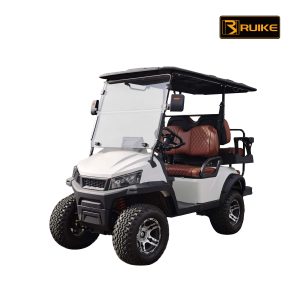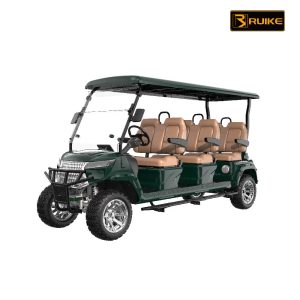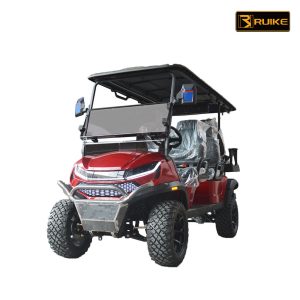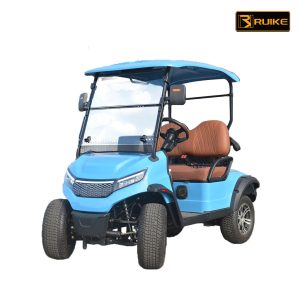
 Why Regular Golf Cart Maintenance Matters
Proper maintenance can extend your golf cart fleet’s lifespan by up to 50%, saving thousands in replacement costs. Whether you manage a golf course, resort, or rental fleet, a structured maintenance program ensures reliability, safety, and maximum return on investment.
Daily Maintenance Checklist
Start each day with these quick inspections:
- Battery water levels – Check and top off with distilled water if needed (lead-acid batteries only)
- Tire pressure – Maintain 18-22 PSI for optimal performance and tread life
- Brake function – Test responsiveness before putting carts into service
- Visual inspection – Look for damage, loose parts, or fluid leaks
Weekly Maintenance Tasks
Every week, dedicate 30 minutes per cart to:
- Clean battery terminals and apply anti-corrosion spray
- Check and tighten all nuts, bolts, and connections
- Inspect brake pads and cables for wear
- Clean or replace air filters (if equipped)
- Lubricate moving parts per manufacturer specifications
Monthly Deep Maintenance
Monthly maintenance prevents costly repairs:
- Battery testing – Use a hydrometer or digital tester to check specific gravity
- Electrical system check – Inspect wiring harnesses for fraying or corrosion
- Suspension inspection – Check shock absorbers and leaf springs
- Steering alignment – Ensure straight tracking and even tire wear
Seasonal Maintenance Guide
Spring Preparation
Before peak season begins:
- Deep clean entire fleet
- Replace worn tires and brake components
- Update software/firmware on electric models
- Schedule professional inspection for high-hour units
Summer Heat Management
Hot weather stresses batteries and electrical systems:
- Monitor battery temperature during charging
- Ensure adequate ventilation in storage areas
- Check cooling fans on electric carts
- Reduce charging current during heat waves
Fall Winterization
Prepare for reduced usage or storage:
- Fully charge all batteries before storage
- Clean and dry all surfaces to prevent corrosion
- Apply protective coating to metal components
- Store in climate-controlled environment when possible
Electric vs Gas Golf Cart Maintenance
| Task | Electric Carts | Gas Carts |
|---|---|---|
| Battery maintenance | Weekly watering/testing | N/A (12V starter battery only) |
| Engine service | N/A | Oil changes every 125 hours |
| Filter replacement | Air filter annually | Oil/air/fuel filters quarterly |
| Annual cost | $200-400 | $400-600 |
Common Problems and Solutions
Battery Won’t Hold Charge
Symptoms: Reduced range, slow acceleration, frequent recharging
Solutions:
- Check water levels and refill with distilled water
- Test individual cell voltage (should be 2.1V+ per cell)
- Equalize charge if available on your charger
- Replace batteries if older than 5-7 years (lead-acid) or showing significant degradation (lithium)
Slow or Jerky Acceleration
Symptoms: Hesitation when pressing pedal, uneven power delivery
Solutions:
- Check and clean speed controller connections
- Inspect motor brushes (electric) or spark plugs (gas)
- Verify throttle cable adjustment
- Test solenoid operation
Braking Issues
Symptoms: Spongy pedal, grinding noise, pulling to one side
Solutions:
- Adjust brake cable tension
- Replace worn brake pads
- Clean and lubricate brake drums
- Check brake fluid level (hydraulic systems)
Professional Maintenance Schedule
While daily and weekly tasks can be handled in-house, schedule professional service:
- Every 250 hours or 6 months: Comprehensive electrical system diagnostic
- Annually: Motor inspection, controller testing, frame inspection
- Every 2 years: Battery replacement evaluation, major component overhaul
Maintenance Cost Breakdown
Average annual maintenance costs per cart:
- Electric carts: $200-400 (mostly batteries and electrical)
- Gas carts: $400-600 (engine maintenance, fuel system)
- Lithium electric: $100-200 (minimal maintenance required)
Preventive maintenance costs 50-70% less than reactive repairs.
Conclusion
A disciplined maintenance program extends fleet life, reduces downtime, and maximizes your investment. Start with daily checks, build consistent weekly and monthly routines, and partner with qualified technicians for complex repairs. With proper care, your golf cart fleet will serve reliably for 10+ years.
Frequently Asked Questions
How often should I charge my golf cart batteries?
Charge lead-acid batteries after every use, regardless of discharge level. For lithium batteries, you can charge anytime without memory effect concerns. Never leave lead-acid batteries in a discharged state for more than 24 hours.
What is the average lifespan of golf cart batteries?
Lead-acid batteries typically last 4-6 years with proper maintenance. Lithium iron phosphate (LiFePO4) batteries last 8-10 years or 3,000+ cycles. RuiKe’s lithium battery options come with 5-year warranties.
Can I perform maintenance myself or do I need a professional?
Basic maintenance like watering batteries, checking tire pressure, and cleaning can be done in-house. Electrical diagnostics, motor repairs, and controller programming should be handled by certified technicians to avoid warranty issues.
How do I know when to replace my golf cart batteries?
Replace batteries when: range drops below 70% of original capacity, charging time increases significantly, batteries won’t hold charge overnight, or voltage readings are inconsistent across cells. Load testing provides definitive answers.
What maintenance do lithium golf carts require?
Lithium carts require minimal maintenance: annual inspection of connections, software updates if available, and visual inspection of the battery pack. No watering, equalizing, or specific gravity testing needed – a major advantage over lead-acid.
How much money does regular maintenance save?
Regular preventive maintenance costs approximately $300/year per cart but prevents $800-1,500 in major repairs. Over a 10-year fleet lifecycle, proper maintenance can save $5,000-8,000 per vehicle in total ownership costs.